January 21, 2026
Your roof plays a critical role in protecting your home, maintaining comfort, and preserving property value. Knowing when replacement is necessary helps you avoid costly interior damage and unexpected emergencies, and experienced roofers can often identify issues before they worsen. By recognizing the most common warning signs, homeowners can make proactive decisions with confidence.
1. Recognizing the Age of Your Roof
One of the clearest indicators that replacement may be approaching is the age of your current roofing system. Different materials have different life expectancies, but asphalt shingles remain the most common choice for residential homes. According to Consumer Reports, the average lifespan of a standard asphalt shingle roof is 15–30 years, depending on weather and maintenance.
If your roof is nearing or exceeding this range, it may be time for a professional evaluation. Aging materials lose flexibility and durability, making them more vulnerable to wind, moisture, and temperature changes. Even if visible damage is minimal, internal wear can compromise protection, allowing small issues to develop unnoticed beneath the surface.
In many cases, older roofs also lack modern underlayment, ventilation standards, and moisture barriers used in today’s installations. These outdated components can reduce energy efficiency and increase the risk of leaks over time. Homeowners often consult roofing companies to determine whether repairs will suffice or full replacement is more cost-effective. An age-based assessment provides a reliable starting point for planning future improvements, budgeting for upgrades, and avoiding unexpected failures that could lead to interior damage or emergency repairs.
2. Noticing Curling, Cracked, or Missing Shingles
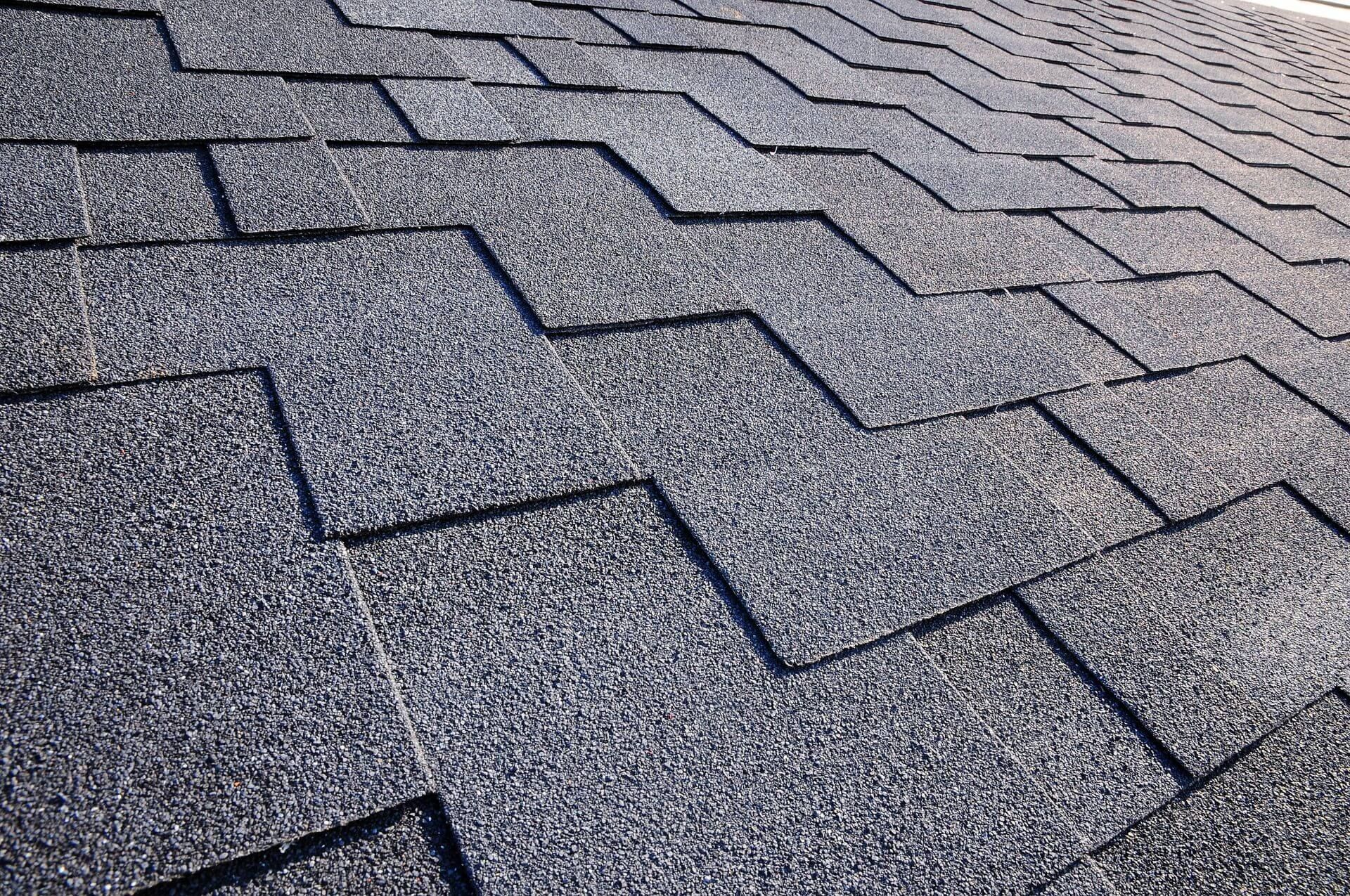
Shingles are your roof’s first line of defense, and their condition offers valuable insight into overall health. Curling edges, cracks, or missing shingles indicate that materials are deteriorating and may no longer provide adequate coverage. These issues often develop gradually but accelerate once they begin, especially as weakened shingles become more susceptible to being lifted or torn away by wind.
Exposure to sun, wind, and moisture weakens shingles over time, breaking down the protective asphalt and causing them to lose flexibility. Extreme temperature fluctuations can worsen the problem, leading to expansion and contraction that speeds up cracking and separation. When damage becomes widespread rather than isolated, repairs may only offer short-term relief and can leave surrounding areas vulnerable to future failure.
Professional roofers are trained to distinguish between localized damage and systemic failure by assessing patterns across the entire roof surface. Their evaluation helps homeowners avoid repeated patchwork repairs that ultimately cost more and fail to address underlying deterioration.
3. Identifying Granule Loss and Surface Wear
Asphalt shingles are coated with granules that protect against UV rays and enhance fire resistance. When these granules begin to wear away, shingles lose their protective layer and deteriorate more quickly. Granule accumulation in gutters or downspouts is a common warning sign.
Surface wear may not immediately cause leaks, but it significantly shortens the remaining lifespan of the roof. Bare spots and uneven texture indicate that shingles are nearing the end of their usefulness. Ignoring these signs increases vulnerability to weather damage.
Consulting roofers when granule loss becomes noticeable allows homeowners to assess whether replacement is necessary before structural issues arise.
4. Observing Leaks and Water Stains
Water intrusion is a serious indicator that your roof may no longer be performing as intended. Stains on ceilings or walls, damp insulation, or mold growth often point to roofing failure. Even small leaks can lead to extensive damage if left unaddressed.
Leaks may originate from compromised flashing, worn shingles, or underlying deck issues. While repairs can sometimes resolve isolated problems, recurring leaks suggest deeper structural concerns. At this stage, replacement often provides the most reliable protection.
Experienced roofing companies can trace the source of moisture and determine whether the issue stems from aging materials rather than a single defect.
5. Watching for Sagging or Structural Changes
A sagging roofline is a serious warning sign that requires immediate attention. This issue often indicates problems with the roof deck, supports, or underlying structure. Causes may include prolonged moisture exposure, excess weight, or material failure.
Structural changes compromise the integrity of the entire roofing system. Delaying action increases the risk of collapse or extensive interior damage. Sagging areas should never be ignored or treated as cosmetic concerns.
When homeowners notice uneven rooflines, roofers can assess whether reinforcement or full replacement is necessary to restore safety and stability.
6. Experiencing Rising Energy Bills
Your roof plays a key role in regulating indoor temperatures. When materials deteriorate, insulation and ventilation efficiency decline, allowing heat to escape in winter and enter in summer. This inefficiency often results in rising energy costs.
Older roofs may lack modern energy-efficient features, such as reflective surfaces or proper ventilation systems. As a result, HVAC systems work harder to maintain comfort. Replacement provides an opportunity to upgrade materials and improve overall efficiency.
Many homeowners work with roofers to select roofing systems designed to enhance insulation and reduce long-term energy expenses.
7. Finding Daylight Through the Roof Boards
Visible light entering your attic through the roof boards is a clear sign of compromised materials. These gaps often allow moisture, pests, and cold air to enter, accelerating deterioration. Even small openings can lead to significant damage over time.
Daylight visibility usually indicates advanced wear or missing components. Temporary fixes rarely provide lasting protection in these cases. Replacement ensures a continuous, weather-resistant barrier.
A thorough inspection by professionals helps confirm whether isolated repairs are sufficient or if broader replacement is warranted.
8. Dealing With Frequent Repairs
Repeated repairs can signal that your roof is reaching the end of its service life. While occasional maintenance is normal, frequent issues suggest that materials are no longer reliable. Over time, repair costs can rival or exceed replacement expenses.
A pattern of ongoing problems often reflects systemic failure rather than isolated damage. At this point, replacement offers a more predictable and durable solution. It also reduces the stress of constant upkeep.
9. Considering Storm and Weather Damage
Severe weather accelerates roof deterioration, especially in regions prone to high winds, hail, or heavy rain. Storm damage may not always be immediately visible but can weaken materials significantly. Over time, compromised areas lead to leaks and structural issues.
If your roof has endured multiple severe storms, its lifespan may be shorter than expected. Inspections following extreme weather events help identify hidden damage early. Replacement may be advisable if widespread issues are discovered.
10. Evaluating Curb Appeal and Home Value
An aging or damaged roof affects more than just function—it also impacts curb appeal and resale value. Visible wear, discoloration, or uneven surfaces can deter potential buyers and lower property value. A new roof enhances appearance while signaling proper maintenance.
Replacement also allows homeowners to update style and materials to match modern design preferences. This upgrade often delivers a strong return on investment. Improved aesthetics combined with durability create long-term value.
Recognizing the signs that it is time to replace your roof helps prevent costly damage and protects your home’s structural integrity. From aging materials to recurring leaks, these warning signals should not be ignored, and qualified roofers can guide you through informed decisions. Timely replacement ensures lasting protection, improved efficiency, and peace of mind for years to come. If you need a reliable local roofer, contact Longevity Roofing And Restoration today to learn more and get started!